Donald Trump announces plans to reclaim Afghanistan’s Bagram Airbase, citing its strategic importance and concerns over China’s nuclear activities.

Trump Announces Plan to Reclaim Bagram Airbase in Afghanistan

Washington, D.C. – Former U.S. President Donald Trump has declared his intention to reclaim Bagram Airbase from Afghanistan, calling it a critical strategic asset that should not have been handed over. Speaking at a press conference, Trump emphasized that the facility holds immense military and geopolitical importance. Background on Bagram Airbase Bagram Airbase, located north of Kabul, is one of the largest military airfields in the world. For decades, it served as the central hub for U.S. and NATO operations during the Afghanistan war. The base was officially handed over to Afghan authorities in 2021, following the U.S. withdrawal. According to Trump, the decision to relinquish control of the base was a mistake. “We wanted to leave Afghanistan with dignity. Bagram was supposed to remain with us, but instead, we gave it away for free,” he said. Strategic Concerns Over China Trump highlighted growing security concerns in the region, particularly regarding China. He claimed that narrow routes surrounding the airbase have been used for nuclear development activities by Beijing. “One reason we are working to take it back is because China is using the area to build nuclear weapons,” he added, framing the situation as a matter of international security. Israel Strikes Hamas Leadership in Doha: Qatar Condemns Attack Amid Global Shock Political and Global Reactions While Trump’s remarks have drawn attention globally, official confirmation of any U.S. policy shift has not been issued. Analysts note that reclaiming Bagram would require complex negotiations, as Afghanistan is now under Taliban control. Additionally, China’s alleged activities in the area have not been independently verified by international watchdogs. Future Outlook Trump’s statement signals that Bagram Airbase may once again become a point of contention in U.S. foreign policy. Whether the United States will pursue this course under the current or future administrations remains uncertain. For now, the announcement underscores ongoing geopolitical rivalries in the region, particularly involving the U.S., China, and Afghanistan. Nepal Protest Violence: At Least 13 Killed Amid Social Media Ban, Reports Cite Corruption Roots Suggested BBC News – Afghanistan Conflict Reuters – U.S. Foreign Policy Al Jazeera – Afghanistan News

Continue Reading
Image By OIC

Arab and Islamic Nations Condemn Israeli Aggression on Qatar in Doha Summit

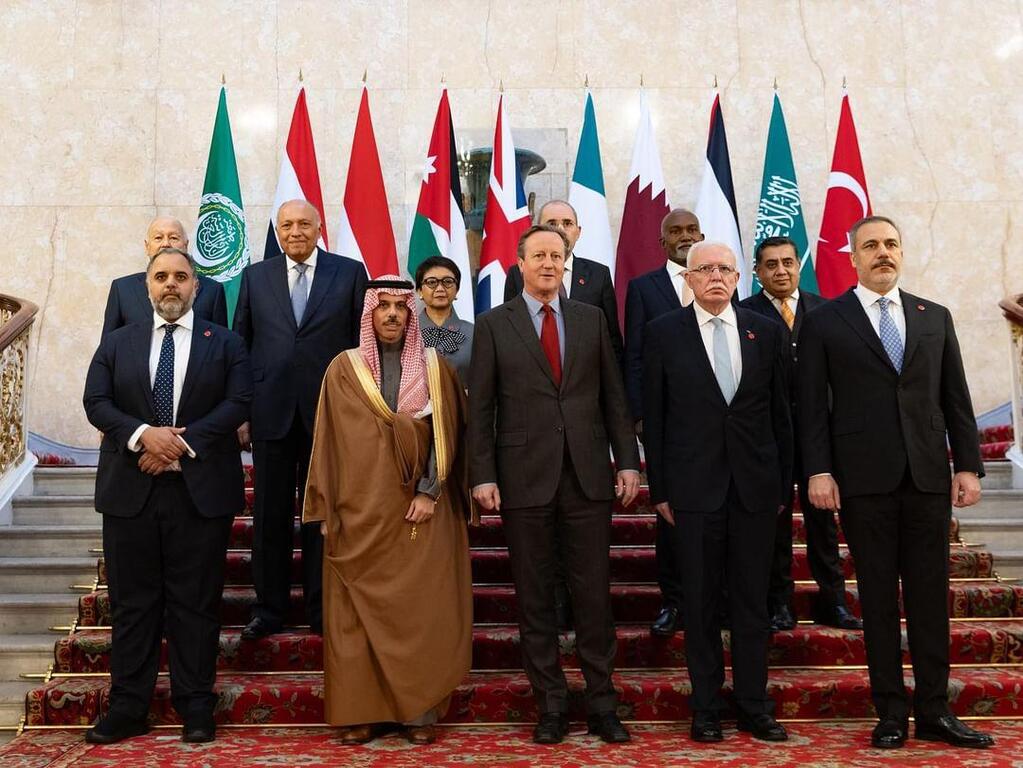
Doha (Daily Kausar News)  An extraordinary Arab-Islamic summit convened in Doha has issued a strong declaration condemning Israel’s recent aggression against Qatar. Leaders from across the Arab and Islamic world, including Pakistan’s Prime Minister Shehbaz Sharif and Saudi Crown Prince Mohammed bin Salman, attended the emergency summit to demonstrate solidarity with Qatar and address regional security concerns. Declaration Labels Israeli Attack as Cowardly and Illegal According to the official communiqué, Israel’s attack on residential areas in Qatar was described as “cowardly, illegal, and a major obstacle to peace.” The statement emphasized that the aggression directly targeted buildings that had been designated to host international mediation delegations. The declaration asserted that this act of hostility represents an open aggression not only against Qatar, a sovereign UN member state, but also against the entire Arab and Islamic world, posing a dangerous escalation for regional and global peace. Related: Israel Strikes Hamas Leadership in Doha: Qatar Condemns Attack Amid Global Shock Full Solidarity With Qatar The participating countries reiterated their unwavering support for Qatar, affirming that any steps taken by Doha to ensure its sovereignty, security, and the protection of its people would be fully backed. The declaration stressed that Israel’s attack was not only an assault on Qatar’s independence but also an attempt to undermine ongoing ceasefire negotiations and prisoner-exchange efforts in Gaza. Undermining Mediation Efforts The communiqué highlighted that this aggression sabotaged the mediation roles of Qatar, Egypt, and the United States, who have been working towards a ceasefire in Gaza and facilitating humanitarian initiatives. Leaders praised Qatar’s constructive role in promoting peace, stability, education, and humanitarian assistance both in the region and globally. Condemnation of Israeli Policies The Arab-Islamic declaration strongly condemned Israeli policies aimed at forcibly displacing Palestinians from the territories occupied since 1967. Such actions were labeled as crimes against humanity and part of an ethnic cleansing strategy. The statement noted with alarm that Israel has been using hunger and medicine shortages as weapons against Palestinians, creating a humanitarian catastrophe. These practices were described as war crimes that require urgent international intervention. Calls for Global Action The summit urged the international community to take immediate and concrete measures to stop Israeli aggression, impose sanctions, halt arms supplies, and initiate legal proceedings against Israel. The declaration also denounced any attempts to justify Israeli aggression under any pretext, calling it a blatant violation of international law that undermines all efforts for a peaceful resolution to the Palestinian question. also read: UN Security Council Condemns Doha Attack Without Naming Israel Warnings Against Further Threats The communiqué described Israel’s threats to target Qatar or any other Arab and Islamic country again as dangerous provocations. It called on the global community to condemn such threats and take preventive actions. The leaders also rejected any attempt by Israel to annex occupied Palestinian territories, labeling it a direct assault on the historical and legal rights of the Palestinian people. Recognition of Key Contributions The declaration acknowledged the active role of Arab and Islamic representatives in the UN Security Council, particularly those from Algeria, Somalia, and Pakistan. Their efforts in defending the Palestinian cause, pressing for an end to Israeli aggression in Gaza, and advocating for a ceasefire were recognized as crucial contributions to the broader struggle for peace and justice.

Continue Reading

Nepal’s First Female Prime Minister: Sushila Karki Takes Charge Amid Historic Unrest

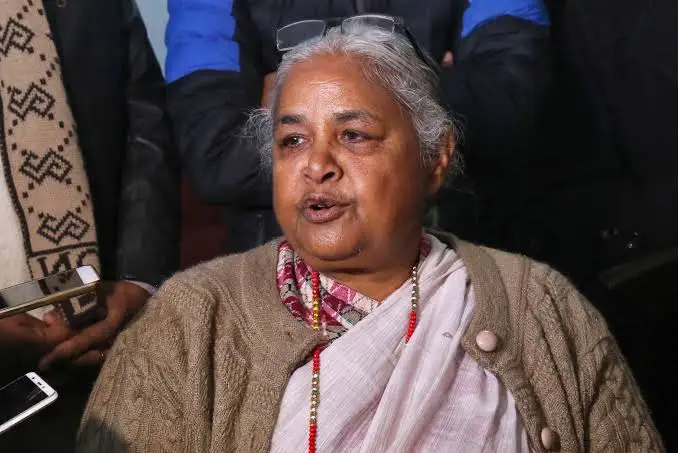
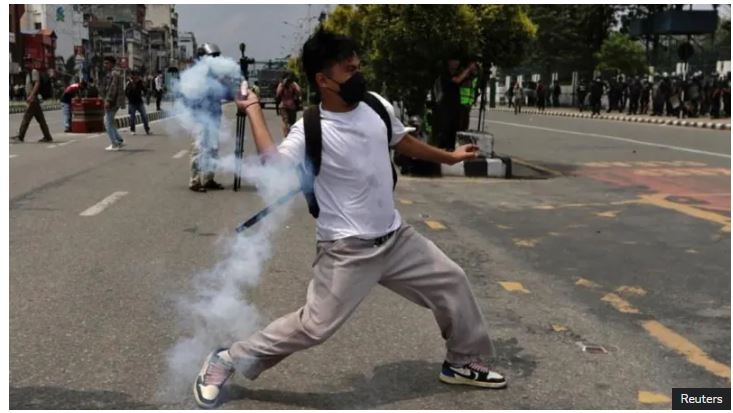
Kathmandu, September 13, 2025 — Nepal has entered a new chapter in its political history. Following weeks of violent protests led by the “Gen Z” movement, former Chief Justice Sushila Karki has been appointed as the country’s first female Prime Minister. Her rise comes at a time of crisis, with deep political turmoil, youth-led uprisings, and a demand for systemic reform. Key Developments The Gen Z movement erupted over issues such as corruption, nepotism, and social media restrictions. Protests quickly turned violent, resulting in at least 51 deaths and over 1,300 injuries. Security forces clashed with demonstrators, and several public properties were set on fire. Under mounting pressure, Prime Minister K. P. Sharma Oli resigned. Soon after, President Ram Chandra Paudel dissolved parliament and announced fresh elections for March 5, 2026. Former Chief Justice Sushila Karki, well-known for her anti-corruption judgments during 2016–17, was sworn in as interim Prime Minister. Her clean image and history of judicial independence made her the leading choice, especially among the protesting youth. The movement gained momentum online, particularly through Discord servers, where young activists held debates and even polls on who should lead Nepal during the interim period. Karki emerged as a top candidate in these discussions. Following her appointment, curfews began to ease. Shops reopened, public transport resumed, and hospitals reported fewer new casualties. Families of victims were handed over the bodies of those killed during clashes. Who is Sushila Karki? Judicial Background: First woman to serve as Chief Justice of Nepal’s Supreme Court. Anti-Corruption Stance: Known for ruling against corrupt officials, including high-ranking police officers. Age and Experience: At 73, she brings decades of legal and leadership experience, adding credibility to her interim government. Challenges Ahead Questions remain whether her appointment fully aligns with constitutional norms. Healing the wounds of violent unrest, supporting victims, and rebuilding damaged infrastructure are immediate priorities. The Gen Z movement is not only political but also economic. High youth unemployment and lack of opportunities must be addressed. The upcoming March 2026 elections will test her ability to ensure transparency, fairness, and peaceful participation. Karki is regarded as a “friend of India”, raising expectations of stronger Nepal–India ties while balancing relations with China. Read More: Nepal Protest Violence: At Least 13 Killed Amid Social Media Ban, Reports Cite Corruption Roots  

Continue Reading

Protests Erupt in Manipur Against PM Modi’s Visit, Clashes Reported

Imphal (Monitoring Desk india): Fresh unrest has broken out in India’s conflict-hit state of Manipur, where angry locals have launched protests against Prime Minister Narendra Modi ahead of his scheduled visit. According to reports from APP, clashes erupted in Churachandpur district when a group of protesters vandalized decoration and renovation work being carried out on roads in preparation for the Prime Minister’s arrival. Police intervened to disperse the demonstrators, which led to violent confrontations between security forces and local residents. Eyewitnesses said that the protesters expressed resentment over the government’s failure to address long-standing grievances in the region. Authorities have stepped up security across Manipur, fearing further escalation as Modi’s visit approaches. Read More:  Israel Strikes Hamas Leadership in Doha: Qatar Condemns Attack Amid Global Shock  

Continue Reading

UN Security Council Condemns Doha Attack Without Naming Israel

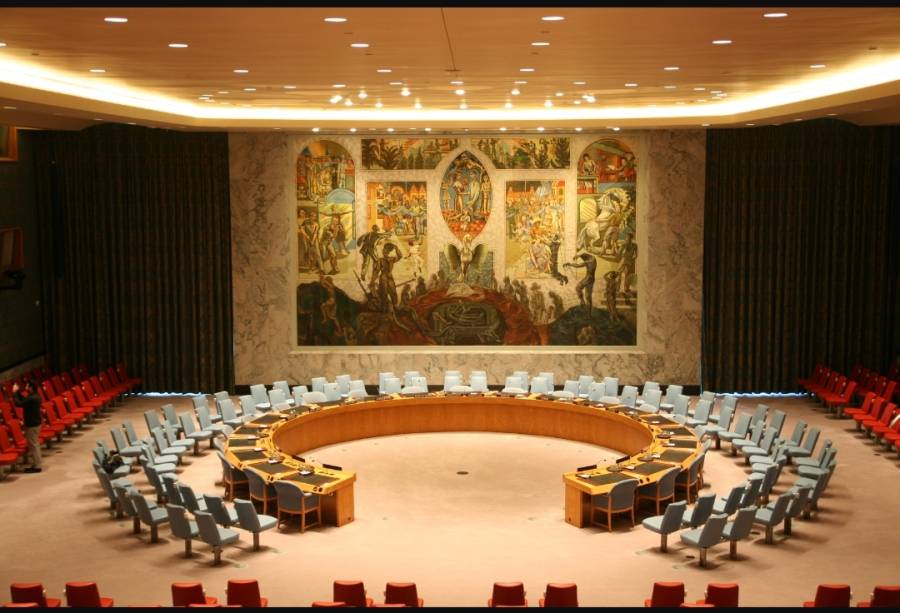
New York (Daily Kausar online): The United Nations Security Council (UNSC) on Thursday condemned the recent attack on Doha.The capital of Qatar but notably avoided naming Israel in its unanimous declaration. According to Reuters the strike was carried out on Tuesday and targeted the political leadership of Hamas. The attack attributed to Israel has escalated regional tensions and drawn sharp reactions from global powers. US Response and Trump’s Unhappiness The statement was endorsed by all 15 Council members, including the United States. While Washington traditionally defends Israel at the UN this time it supported the Council’s condemnation. Reuters reported that the US described the strike as a “unilateral attack”, adding that it does not serve either American or Israeli interests. President Donald Trump also expressed rare dissatisfaction with Israel’s decision. As quoted by Reuters he said he was “very unhappy about every aspect” of the Doha strike and clarified that the move was ordered by Israeli Prime Minister Benjamin Netanyahu without his approval.   UK and France Draft the Statement The joint declaration was drafted by the United Kingdom and France, according to Al Jazeera. In the statement, Council members underlined the importance of reducing tensions, expressed solidarity with Qatar, and reaffirmed their support for Qatar’s sovereignty and territorial integrity Read More here: . Nepal Protest Violence: At Least 13 Killed Amid Social Media Ban, Reports Cite Corruption Roots blood moon total lunar eclipse in Pakistan today India Warns Pakistan of High Floods in River Sutlej Escalating Middle East Tensions The attack killed at least five Hamas members and one Qatari security officer Al Jazeera reported. Analysts warn that this development could deepen political divides in an already volatile Middle East. Despite strong condemnation  the UNSC’s decision to omit Israel’s name reflects ongoing geopolitical complexities  leaving questions about accountability and next steps unanswered.   References:  Reference Links (for credibility) Reuters: Trump ‘very unhappy’ about Israel’s strike on Qatar Channel News Asia: UN Security Council condemns Qatar strike without naming Israel Al Jazeera: UN Security Council slams Israel’s Doha strike ABC News: White House says strike was Netanyahu’s decision, not Trump’s

Continue Reading
hong kong vs bangladesh

hong kong vs bangladesh , Asia Cup 2025: Full Scorecard, Match Highlights, Key Performers & Live Streaming

Match Overview The Asia Cup 2025 continued with an exciting hong kong vs bangladesh (BAN vs HKG) clash in Group B. The contest kept fans on the edge of their seats as Hong Kong produced a fighting total, while Bangladesh’s bowlers showed discipline to control the game. Hong Kong: 143/7 in 20 overs Toss: Bangladesh won the toss and opted to bowl first Result: Bangladesh chasing (match in progress). Hong Kong Innings – 143/7 (20 overs) Hong Kong’s batting faced early pressure but recovered through a solid partnership. Nizakat Khan anchored the innings with 42 runs off 40 balls, while captain Yasim Murtaza added a quick 28 off 19 balls, keeping the scoreboard ticking. Zeeshan Ali’s 30 runs provided stability in the middle order, ensuring Hong Kong crossed the 140-run mark.. Bangladesh Bowling Performance Bangladesh bowlers executed their plans effectively: Tanzim Hasan Sakib: 4-1-21-2 Taskin Ahmed: 4-0-38-2 Rishad Hossain: 4-0-31-2 The trio’s combined efforts prevented Hong Kong from accelerating in the final overs. Their consistent pace and spin variation proved crucial in restricting the opposition. Key Highlights Nizakat Khan’s crucial 42 steadied Hong Kong’s innings. Yasim Murtaza’s captain’s knock brought momentum with a 147+ strike rate. Taskin Ahmed and Tanzim Sakib struck at important intervals to derail Hong Kong’s middle-order momentum. Rishad Hossain impressed with his leg-spin, keeping runs in check during the middle overs. Recent Events: blood moon total lunar eclipse in Pakistan today Match Analysis The game remains finely balanced. Hong Kong posted a competitive total, but conditions in Abu Dhabi are expected to favor Bangladesh’s batting strength. Bangladesh Advantage: A strong top order with Litton Das and Tanzid Hasan. Hong Kong’s Hope: Early breakthroughs from their pace attack to put Bangladesh under pressure. Turning Point So Far: Bangladesh’s bowling unit dominated after the 10th over, restricting Hong Kong’s scoring rate. Where to Watch – BAN vs HKG Asia Cup 2025 Live Streaming: Sony Liv (India & subcontinent) Telecast: Sony Sports Network Global Coverage: Fans outside South Asia can tune in through ICC’s official broadcast partners. FAQs – Hong Kong vs Bangladesh Asia Cup 2025 Q1. When was the Hong Kong vs Bangladesh Asia Cup 2025 match played?A: On September 11, 2025, at Sheikh Zayed Stadium, Abu Dhabi. Q2. How many runs did Hong Kong score?A: Hong Kong posted 143/7 in 20 overs. Q3. Who won the toss in BAN vs HKG?A: Bangladesh captain Litton Das won the toss and chose to bowl first. Q4. Which players stood out?A: Nizakat Khan and Yasim Murtaza for Hong Kong; Tanzim Hasan Sakib, Taskin Ahmed, and Rishad Hossain for Bangladesh. Q5. Where can I watch today’s Asia Cup 2025 match live?A: The match is live on Sony Liv and broadcast on Sony Sports Network. Read More: South Africa vs England: ODI Series Highlights, Breetzke’s Record and Match Scorecard Explained Glacier Brust in Ghixar valley  gilgit Pakistan

Continue Reading
Imaage from Aljazeera

Israel Strikes Hamas Leadership in Doha: Qatar Condemns Attack Amid Global Shock

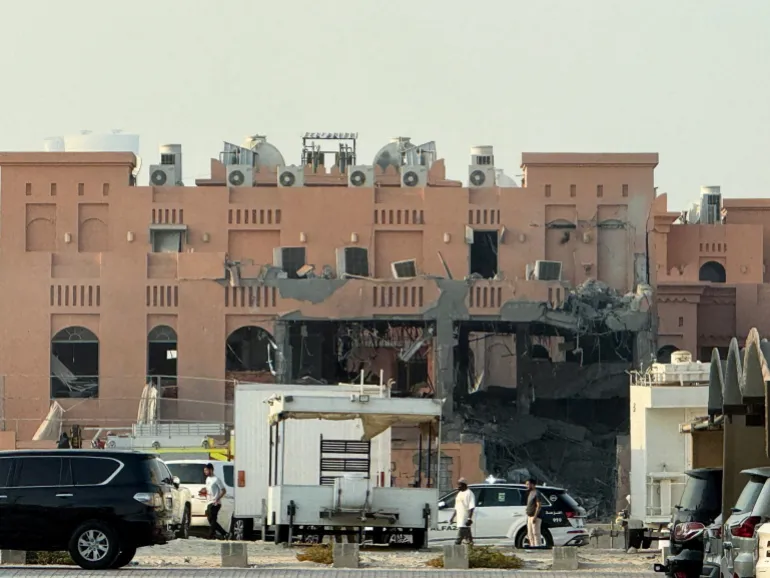
Doha, Qatar – September 9, 2025 – The Middle East crisis took a dramatic turn today as the Israel Defense Forces (IDF) confirmed it carried out a targeted strike against Hamas leaders in Doha, the capital of Qatar. Explosions were heard near a residential compound, and thick plumes of smoke rose above the city skyline, sending shockwaves through both local residents and the international community. The strike is being reported by major outlets including Reuters, CNN, Al Jazeera, and The Guardian, marking the first known Israeli attack on Qatari soil. The escalation comes at a highly sensitive moment, as Qatar has long been a central mediator in ceasefire talks between Israel and Hamas. How the Attack Happened Eyewitnesses in Doha described loud blasts near the Legtifya petrol station, with emergency vehicles rushing to the scene. According to the Israeli military, the operation targeted “senior Hamas leadership involved in directing attacks against Israel. Sources claim that Khalil al-Hayya, a senior Hamas negotiator, was among those targeted. This has not been independently confirmed, but local reports suggest casualties within the compound. The Qatar news agency reported that residents were evacuated, while hospitals in Doha were placed on high alert following the attack. Qatar’s Strong Reaction The Qatari government immediately condemned the attack, calling it a “criminal assault and a blatant violation of sovereignty.” In an official statement, Qatar stressed that such actions undermine its role as a neutral mediator and could destabilize the region further. Al Jazeera, the Doha-based media network, gave live coverage of the explosions, highlighting the symbolic impact of striking a nation that has consistently hosted peace negotiations and ceasefire discussions. Israel’s Position The Israel Defense Forces stated that the strike was part of a broader strategy to dismantle Hamas networks across multiple countries, including Gaza, Lebanon, Syria, and now Qatar. Israeli officials justified the action by pointing to Hamas’s continued rocket launches and its alleged use of foreign safe havens to coordinate attacks. At the same time, the move risks inflaming tensions with Qatar, a U.S. ally and home to a major American military base. Hamas Response A spokesperson for Hamas condemned the strike, accusing Israel of attempting to sabotage ongoing peace talks. The group warned that such actions will only lead to greater conflict in the region. Global Reactions CNN reported that U.S. officials were in close contact with Qatar and Israel to prevent further escalation. The Guardian emphasized the potential collapse of the fragile ceasefire proposal, which was backed by international mediators including the United States. Diplomatic experts argue that this incident could trigger a new phase of the Israel–Qatar relationship, shifting Qatar from mediator to potential frontline actor in the conflict. The Bigger Picture This strike highlights how the ongoing conflict is no longer limited to Gaza or Israel’s neighboring countries. By extending military operations into Doha, Israel has widened the battlefield, directly involving a nation that has played a central role in peace mediation. For Qatar, which has carefully balanced its ties with Israel, Hamas, and Western allies, this attack is a direct challenge. It also puts pressure on regional powers, including Saudi Arabia, Egypt, and Turkey, to respond diplomatically. Recent News: Nepal Protest Violence: At Least 13 Killed Amid Social Media Ban, Reports Cite Corruption Roots Trump’s Role and U.S. Policy Former U.S. President Donald Trump, who has remained vocal on Middle East policy even after leaving office, weighed in on the crisis, calling the Israeli action “decisive.” However, analysts warn that the strike could complicate U.S. diplomacy in the Gulf, particularly with Qatar hosting America’s largest base in the region. The best Trump approach, according to his supporters, is a strong pro-Israel stance. But critics argue that such rhetoric risks undermining delicate negotiations. What’s Next? he situation remains fluid. With Qatar condemning the strike and Israel defending its decision, global powers are urging restraint. Questions now dominate international headlines: Will Doha continue to act as a mediator, or step back from ceasefire talks? Could this attack mark the beginning of wider Israeli operations across the Gulf? How will Hamas respond, and what role will international players like the U.S. and UN take? This is not just another escalation—it is a historic moment in Middle East geopolitics. The Israeli strike on Hamas leaders inside Qatar’s capital could redefine regional alliances, alter peace negotiations, and shift the trajectory of the conflict for years to come. As the world watches, the people of Doha find themselves at the center of a crisis that is shaking global diplomacy. For now, the focus remains on whether this attack will ignite broader violence or force new urgency in negotiations for peace. Disclaimer This article is based on information reported by verified international news outlets including Reuters, Al Jazeera, The Guardian, Associated Press, and CNN. Some details, particularly regarding casualties and identities of individuals, are still developing and not independently confirmed at the time of publication. The situation remains fluid, and facts may change as more official statements become available. We are committed to responsible journalism, accuracy, and transparency. This report avoids speculation, does not promote misinformation, and will be updated as credible sources release further information. Readers are encouraged to follow official announcements and trusted media for the latest verified updates.

Continue Reading
australian anti immigration protests

Thousands Join Australian Anti Immigration Protests: Nationwide March for Australia Sparks Debate

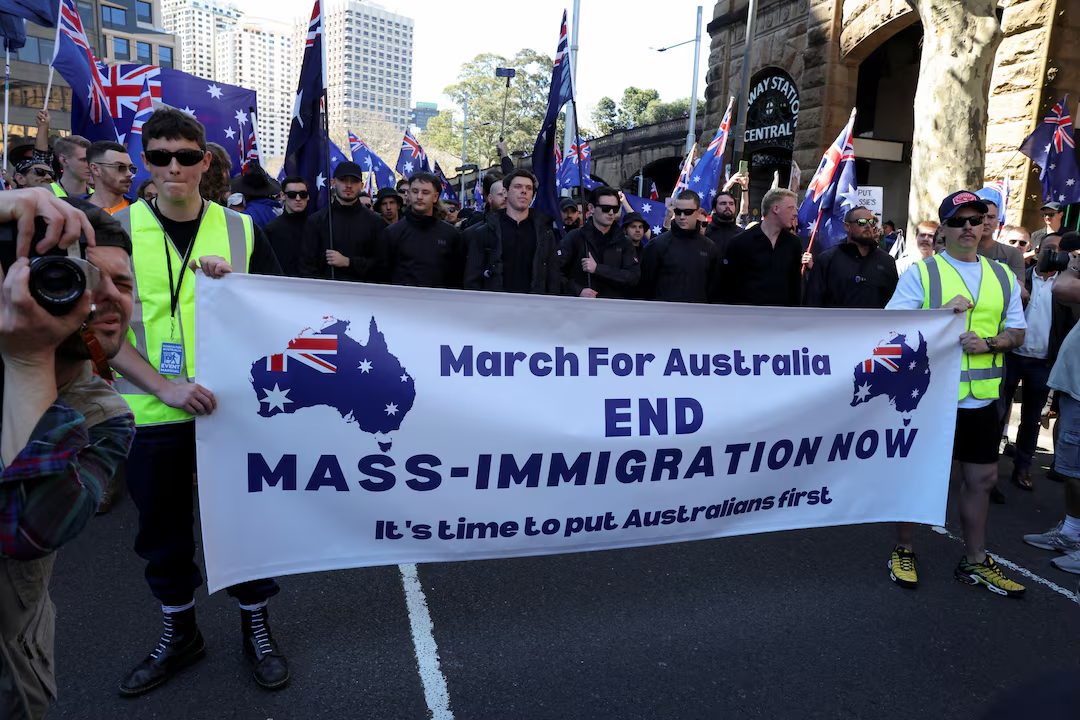
Thousands Attend Australian Anti-Immigration Protests Across Major Cities Thousands of Australians have taken to the streets in recent days to participate in Australian anti immigration protests, which were organized under the banner of the ‘March for Australia’ movement. The rallies, which took place in Sydney, Melbourne, Adelaide, Brisbane, Perth, and other cities, drew tens of thousands of demonstrators. While supporters claim the marches were about unity and national values, government officials have condemned them as far-right activism and a dangerous attempt to spread hate and division. Overview of the Protests The rallies were marked by both large turnouts and significant counter-demonstrations. According to estimates, Sydney saw between 5,000 and 8,000 attendees, Melbourne had around 5,000, and Adelaide witnessed one of the largest gatherings with approximately 15,000 people, including counter-protesters. Brisbane’s protest at Roma Street Parklands drew thousands, while Perth and Adelaide also experienced strong turnouts. Across the country, more than 45,000 people were involved in anti immigration protests Australia-wide, according to updated national figures. Sydney Protest: A Heated Rally The Sydney protest attracted a crowd of around 5,000 to 8,000 people. Several opposition politicians, including One Nation senator Pauline Hanson, addressed the crowd. Despite being largely peaceful, police confirmed minor clashes and a few arrests. Hundreds of officers were deployed across the city to manage the demonstrations. This protest Sydney event was among the most closely monitored, with national and international media reporting live updates. Melbourne Protest: Clashes with Counter-Demonstrators In Melbourne, around 5,000 people gathered on the steps of Parliament House for the march. Among the speakers was Thomas Sewell, a known neo-Nazi and figurehead of the National Socialist Network. His presence drew widespread condemnation. The Melbourne protest today turned tense as anti immigration protest Melbourne marchers clashed with counter-demonstrators, including a separate pro-Palestine rally nearby. Police intervened using pepper spray, baton rounds, and other public order tactics. The Melbourne news media covered the clashes extensively, with images of police lines and protesters flooding national outlets. Adelaide Protest: One of the Largest Gatherings Adelaide’s protest was among the largest of the August 31 protest events. Around 15,000 people were present, split between marchers and counter-demonstrators. Local police described the protest Adelaide turnout as ‘generally well-behaved,’ though tensions remained visible. Placards showing support for Dezi Freeman, a conspiracy theorist accused of killing two police officers, were spotted in Adelaide and Brisbane, drawing heavy criticism. Brisbane Protest: Roma Street Parklands Gathering Thousands of people assembled at Roma Street Parklands for the Brisbane protest today. The march for Australia Brisbane rally drew a diverse crowd, including far-right groups, anti-lockdown campaigners, and ordinary citizens concerned about issues such as housing, traffic, and wages. Placards in support of Dezi Freeman were also seen here. The Brisbane news media reported that, while most of the crowd was peaceful, police were on high alert. Perth Protest and Other Rallies In Perth, several thousand people joined the march for Australia Perth demonstration, making it one of the significant turnouts in Western Australia. Though smaller than rallies in Sydney or Adelaide, the protest Perth event showed that anti immigration protests are not confined to the eastern states. Adelaide, Brisbane, and Perth collectively underscored the nationwide nature of the movement. Political Involvement and Leaders Several political figures were involved in the rallies. Pauline Hanson, leader of the One Nation party, was a prominent speaker in Sydney. Meanwhile, Bob Katter, a federal MP, expressed support for the cause. Thomas Sewell, also known as Tom Sewell, played a significant role in Melbourne, furthering concerns about the rallies being linked to extremist groups like the National Socialist Network. Their participation drew sharp rebukes from mainstream politicians and commentators. Government Response: Strong Condemnation The Australian government has strongly condemned the anti immigration protests. Home Affairs Minister Tony Burke declared that there is no place for hate in Australia. Dr Anne Aly, Minister for Multicultural Affairs, reinforced the message by stating that the rallies seek to divide Australians and intimidate migrant communities. Agriculture Minister Murray Watt and Prime Minister Anthony Albanese also condemned the rallies, describing them as un-Australian. According to news Australia reports, the government has pledged to monitor extremist groups more closely following the protests. Reasons Behind the March for Australia The March for Australia website claims the protests were not only about immigration but also about issues such as housing shortages, wages, environmental destruction, traffic congestion, hospitals, crime, and infrastructure. The organizers argue that mass migration has strained Australia’s social and economic systems. However, critics argue that the messaging around immigration protest events is racially charged and provides cover for extremist recruitment. Comparison of Protests by City City Estimated Crowd Key Figures / Speakers Incidents Sydney 5,000–8,000 Pauline Hanson Minor clashes, arrests Melbourne Around 5,000 Thomas Sewell Clashes, police used pepper spray Adelaide Around 15,000 Local leaders, mixed groups Generally well-behaved, placards for Freeman Brisbane Thousands Various speakers Peaceful, Freeman placards spotted Perth Several thousand Local activists Peaceful Frequently Asked Questions What are the Australian anti immigration protests? They are rallies held across Australia under the ‘March for Australia’ banner, focusing on immigration and national identity issues. Who is Thomas Sewell? Thomas Sewell is a known neo-Nazi linked to the National Socialist Network, who spoke at the Melbourne protest. How many people attended the protests? More than 45,000 people nationwide across Sydney, Melbourne, Adelaide, Brisbane, and Perth. Were there clashes at the protests? Yes. Melbourne saw violent clashes and police intervention. Sydney experienced minor incidents, while Adelaide and Brisbane were mostly peaceful. Did politicians support the rallies? Yes, Pauline Hanson and Bob Katter expressed support, while government ministers and the Prime Minister condemned them. What issues were raised besides immigration? Organizers also mentioned housing, wages, traffic, hospitals, crime, and infrastructure as concerns. What was the government’s response? The government strongly condemned the rallies, calling them divisive and un-Australian. More Stories: NADRA Mobile Registration Drive UK on August 23, 2025 – CNIC, NICOP, FRC Services for Overseas Pakistanis. Flood in Pakistan: Causes, Impacts, and Solutions Flood Situation in Pakistan Today :

Continue Reading

akistan and Iran have once again reaffirmed their commitment to eliminate

Pakistan and Iran Unite to Eliminate Terrorism, Strengthen Border Security

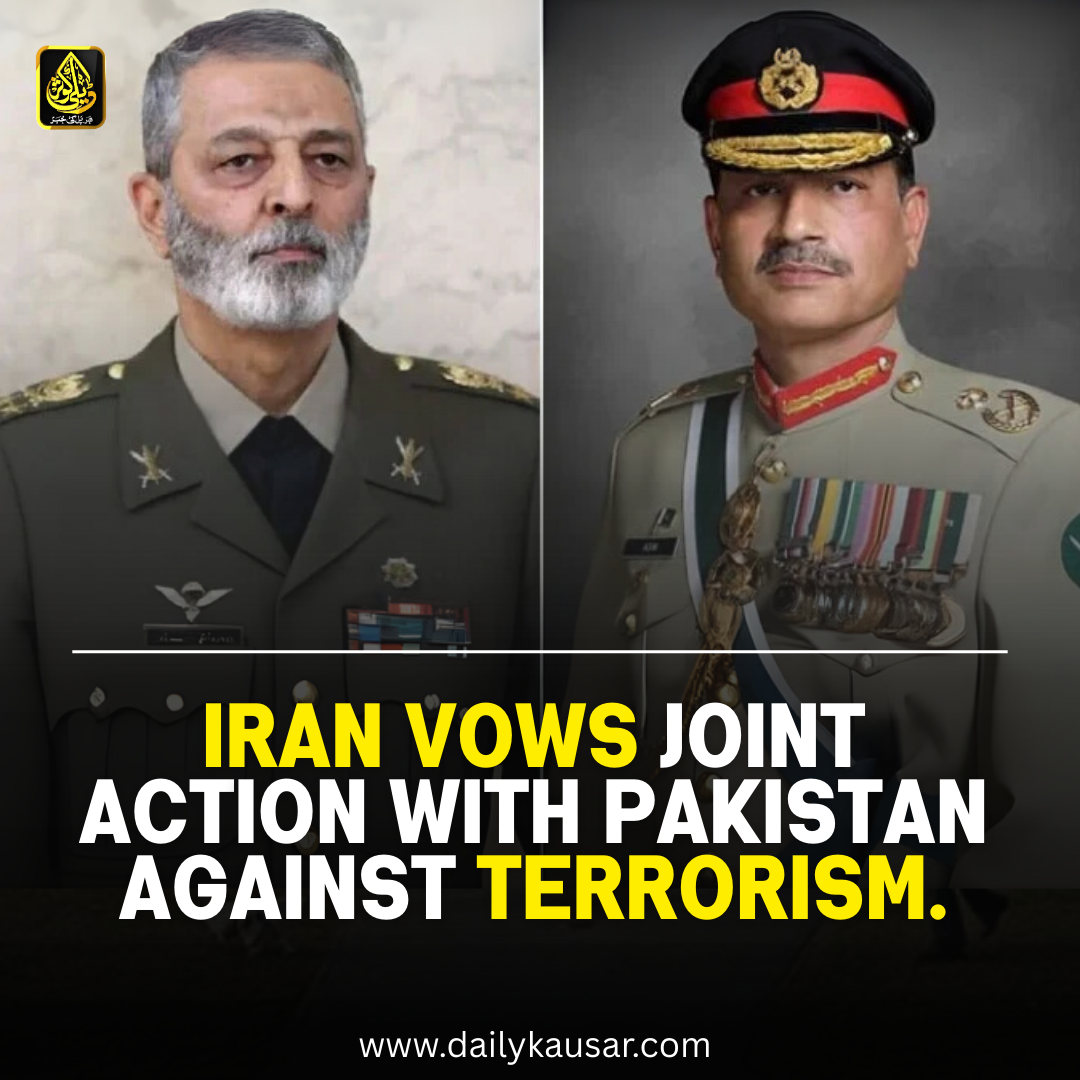
Pakistan and Iran have once again reaffirmed their commitment to eliminate ISLAMABAD: Pakistan and Iran have once again reaffirmed their commitment to eradicate terrorism and strengthen border security cooperation. The pledge came during a telephonic conversation between Pakistan’s Chief of Army Staff, Field Marshal Asim Munir and Iran’s Chief of Staff of the Armed Forces Major General Abdolrahim Mousavi, according to a statement issued by the Iranian embassy.   The Iranian commander emphasized Tehran’s readiness to work jointly with Islamabad in eliminating terrorism and ensuring peace along the Pakistan-Iran border. He also expressed solidarity with Pakistan’s flood affected communities  promising that Iran would  proudly provide any assistance within its power to the dear brothers in Pakistan.   Mousavi also praised Pakistan’s support during Tehran’s recent conflict with Israel highlighting the growing cooperation between the two neighbors.   Earlier this month, Iranian President Masoud Pezeshkian visited Pakistan for a two day official tour to boost bilateral ties. Accompanied by a high-level delegation, he held meetings with President Asif Ali Zardari Prime Minister Shehbaz Sharif and other top officials.   During the visit both countries signed 12 agreements and MoUs covering areas such as plant protection joint use of the Mirjaveh Taftan border gate science and technology collaboration ICT, maritime safety judicial assistance air services product certification and a tourism cooperation plan for 2025 to 27.   At a joint press conference, President Pezeshkian and Prime Minister Shehbaz Sharif underlined that terrorism must not be tolerated under any circumstances. The prime minister added that if terrorism harms people in Iran it equally affects Pakistan stressing that both countries would take effective steps to counter the threat.     Both leaderships agreed that peace and prosperity in their border regions depend on a united front against terrorism and enhanced security collaboration.   Read More: Young Talent from Sumair Nagar Secures Admission to Harvard University Glacier Burst in Ghizer, Gilgit-Baltistan: Floods Create Crisis in Villages, Rescue Underway                  

Continue Reading